A Traditional Family
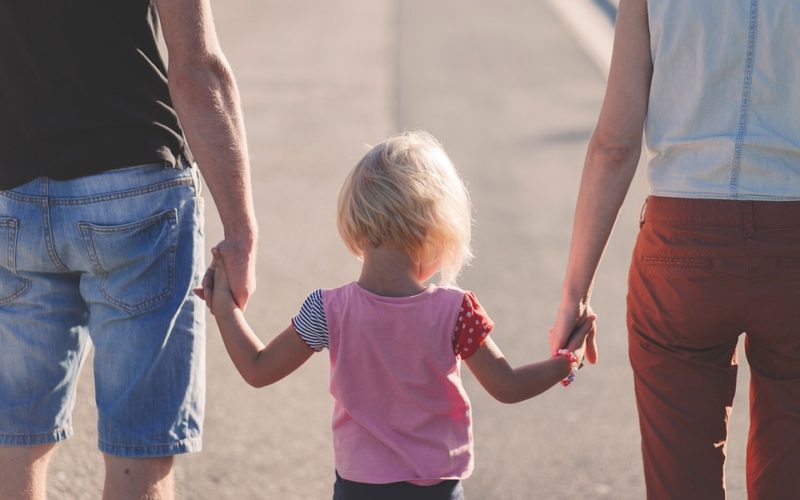
The nuclear family — a married couple with two children, a breadwinning father, and a homemaking mother — was once considered the default. For much of the 20th century, it was the image plastered on cereal boxes, TV shows, and government housing forms. But the data tells a different story now. Across the UK and much of the Western world, this model has quietly become the exception rather than the rule.
The numbers don't lie
According to the Office for National Statistics, fewer than a quarter of UK households now consist of a married couple with dependent children. Single-parent families, cohabiting couples, blended families, and same-sex households have all grown significantly over the past few decades. Meanwhile, the average age of first-time mothers in England and Wales has risen to over 29, and marriage rates are at their lowest since records began in the 19th century. The composition of the household has changed — and it's changed dramatically.
Why the shift happened
Several forces reshaped family life in the latter half of the 20th century. Women entering the workforce in greater numbers challenged the assumption that domestic labour was a default female role. Rising divorce rates — which peaked in the UK during the 1990s — normalised separation and, by extension, single-parent and stepfamily arrangements. The legalisation of same-sex marriage in 2014 further expanded the legal and social definition of what a family could be. None of these changes happened overnight, and none happened in isolation.
Redefining what "family" means
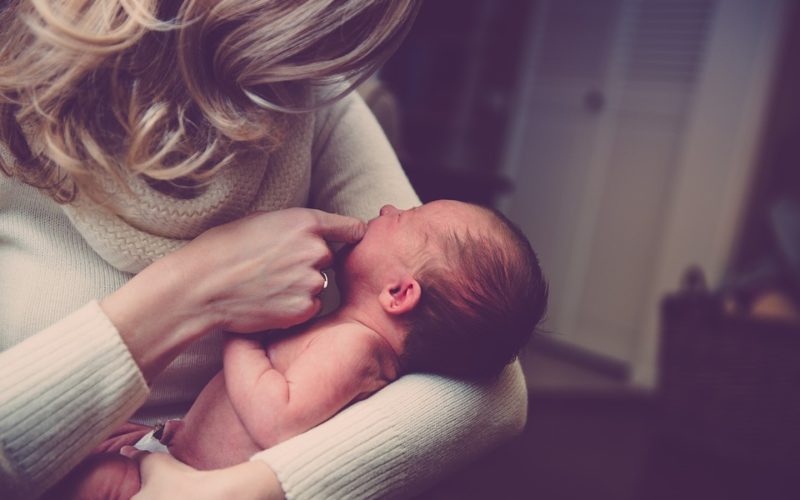
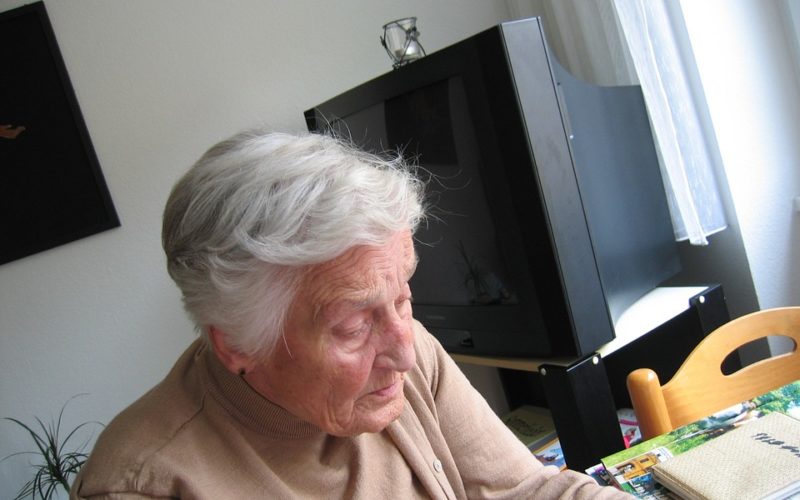
What has emerged in place of a single template is something far more varied. A family might be two fathers raising a child adopted from care. It might be a grandmother who has taken on the primary parenting role for her grandchildren. It might be a woman who has chosen to raise a child alone through donor conception. These arrangements are not new in human history, but they are newly visible — and increasingly recognised in law, policy, and popular culture. The language around family has had to stretch to accommodate the reality.
The cultural lag
Policy and public perception, however, have been slow to catch up. The tax and benefits system in the UK was largely built around a male breadwinner model that no longer reflects most households. School forms still occasionally default to "mother" and "father" rather than "parent or guardian." And in political debate, the phrase "family values" is still frequently used as a shorthand for a particular — and increasingly unrepresentative — domestic arrangement. The gap between how families actually live and how institutions imagine them to live remains wide.
What this means going forward
The decline of the traditional family model is not, as some commentators suggest, a sign of social breakdown. Research consistently shows that children thrive when they grow up in environments that are stable, loving, and financially secure — and those qualities are not exclusive to any one family structure. What matters far more than the shape of a household is the quality of the relationships within it. As that understanding becomes more widely accepted, the pressure on families to conform to a particular mould is likely to ease.
The traditional family has not disappeared — it has simply become one option among many. And that shift, however uncomfortable it may be for those who grew up with a single template in mind, reflects something worth acknowledging: families have always adapted to the world around them.